The migrant workers sustaining India’s waste system
I got to know this community of waste workers over a period of eighteen months. Over that time, in sustained conversations about their lives and experiences, the question of representation came up repeatedly - how they are largely invisible from the public imaginary, until they are portrayed negatively in the media as illegal immigrants. We discussed what it would mean to be represented with dignity, and this photographic project came out of this question.
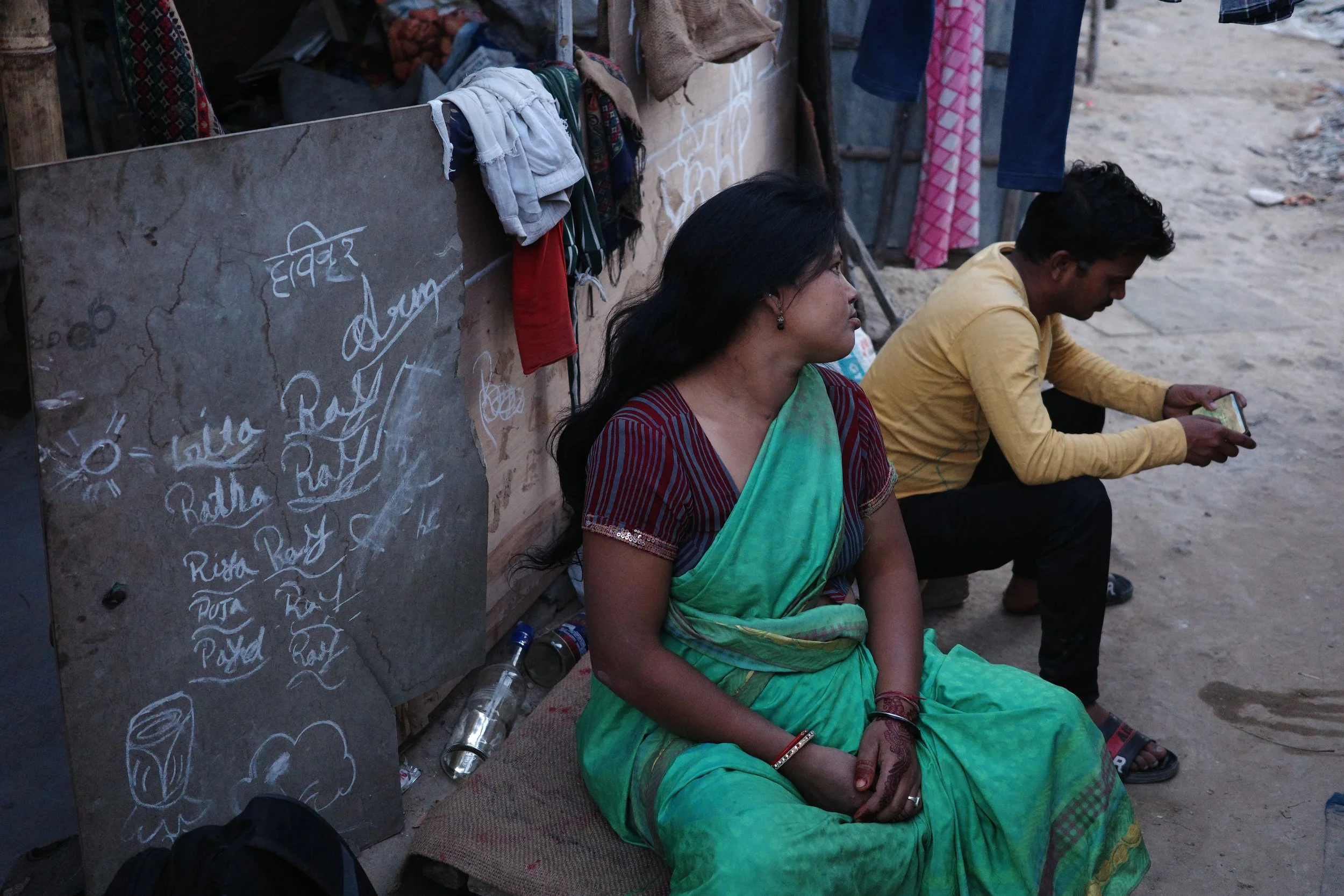
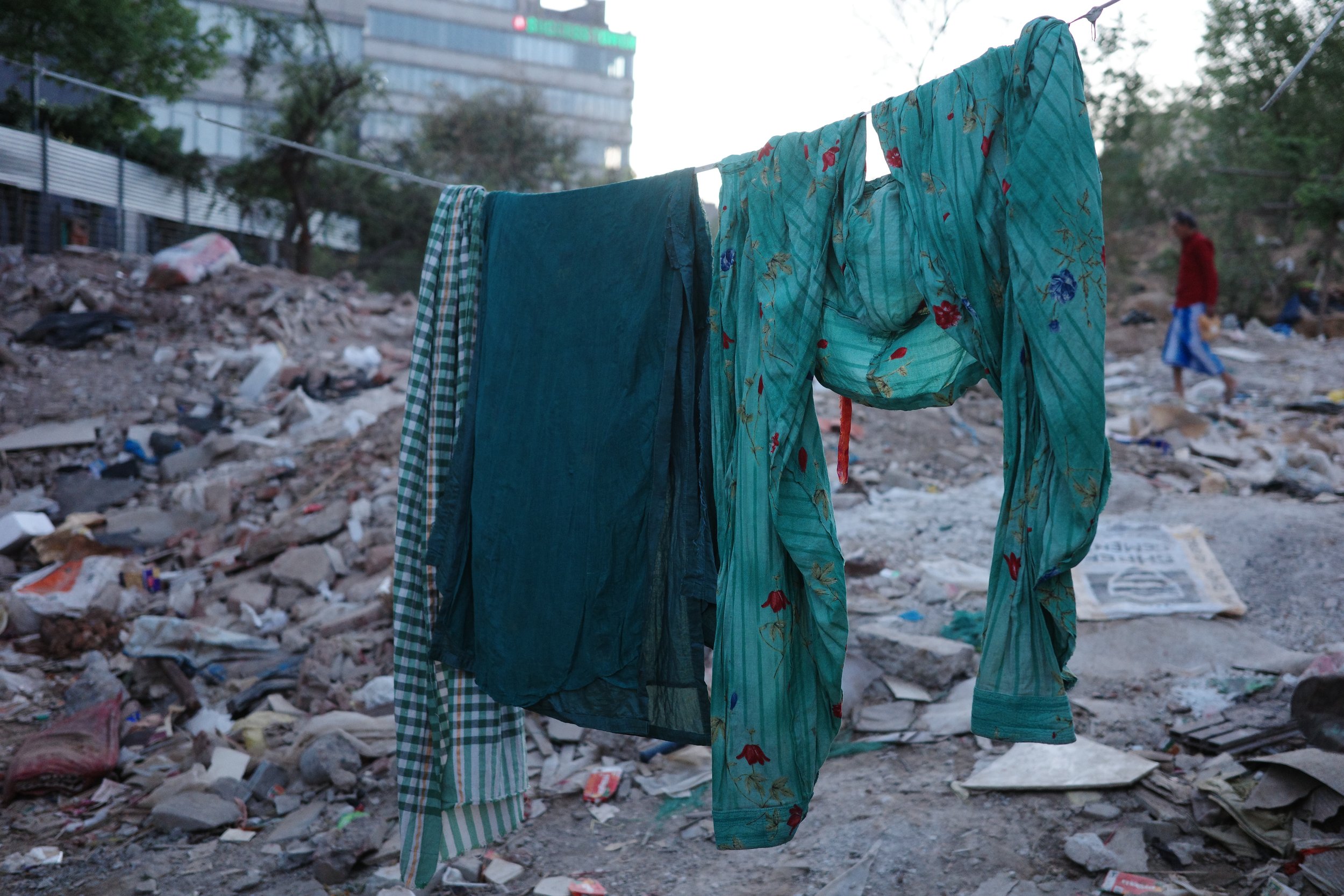
Riya spends her days working alongside her husband Jitinder, sorting through piles of discarded plastics, metals and cardboard that he has collected from outside nearby residential buildings and malls. They have three daughters under the age of 15, and live on the outskirts of Gurgaon in a tin-sheet shelter known as a jhuggi. Riya has worked as a waste picker since she migrated to the city at the age of 16, starting before sunrise every morning.
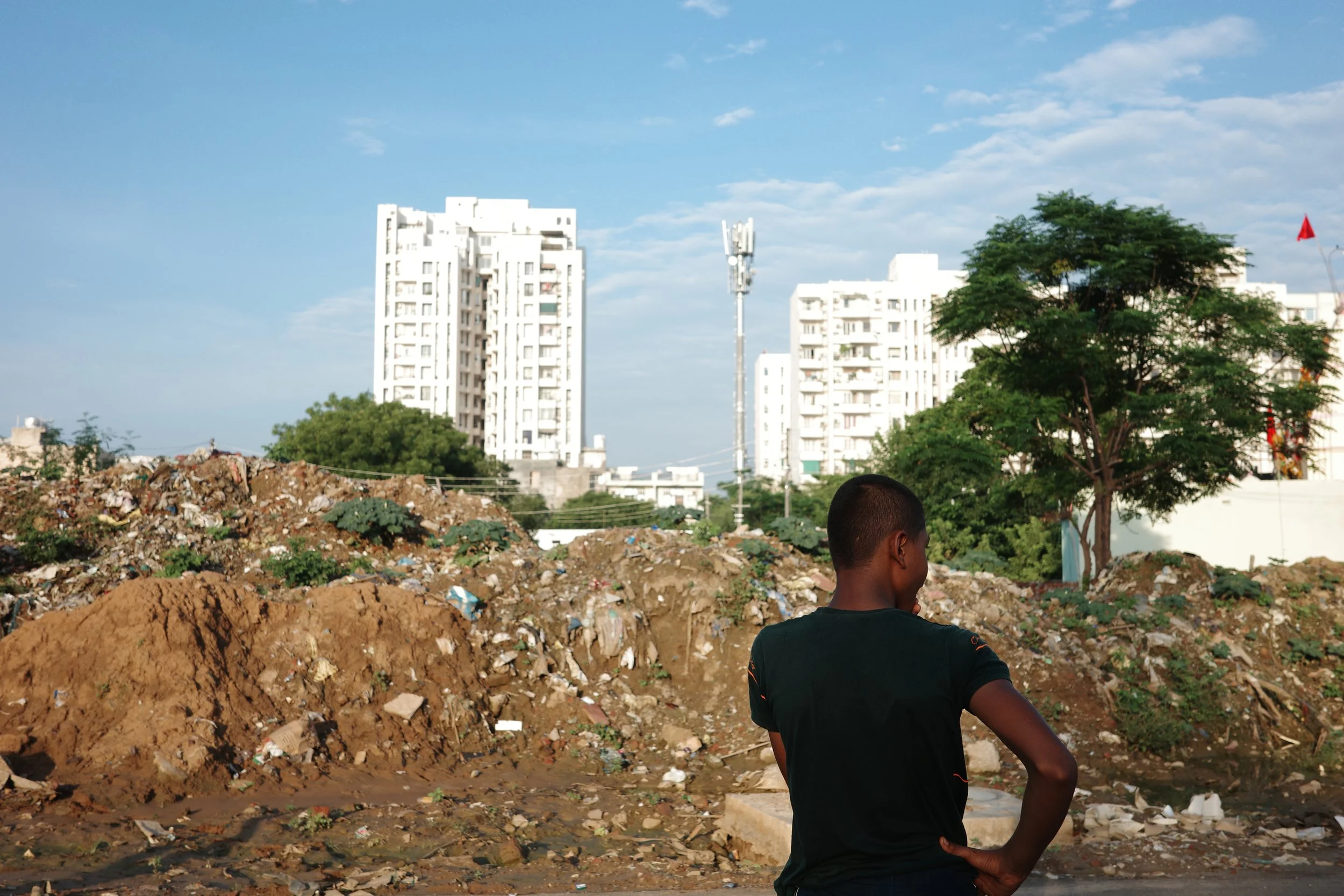
Gurgaon is one of India's fastest growing satellite cities, part of the National Capital Region that sprawls out from Delhi. With its gleaming corporate towers, luxury malls and gated residential complexes, it has become an emblem for the vision of modern India. Its waste, like much else, is dealt with out of sight.
Riya separates waste in the jhuggi, before taking it a local contractor who weighs it and buys it from them. On average, depending on the quality of the material, she earns around 400 rupees per day. Riya and Jitinder are part of the sizeable, largely invisible population of migrant workers who maintain the garbage system in India.

India generates around 62 million tonnes of waste per year. Of that, approximately 20% is collected and sorted by workers in the informal sector, rather than the state municipality. The vast majority are landless Muslims and Dalits who have come to the city to earn a living. The work is physically exhausting, hazardous and socially stigmatised, shaped by caste hierarchies and notions of bodily pollution associated with dirty work. In Delhi National Capital Region, which includes Gurgaon, 80% of waste workers are Bengali Muslims – landless lower caste Muslims who have migrated from the northern districts of West Bengal.
Their contribution to the city’s waste economy is vital to its functioning. Waste pickers ensure toxic materials do not enter the waste stream and play a critical role in recycling, keeping plastics out of landfill. Estimates suggest they reduce carbon emissions by 6.8 megatons per year through recycling alone. The work is also highly skilled, dependent on detailed knowledge of materials and markets. It is arduous and painstaking work, that most people would not be willing to, or able to do.
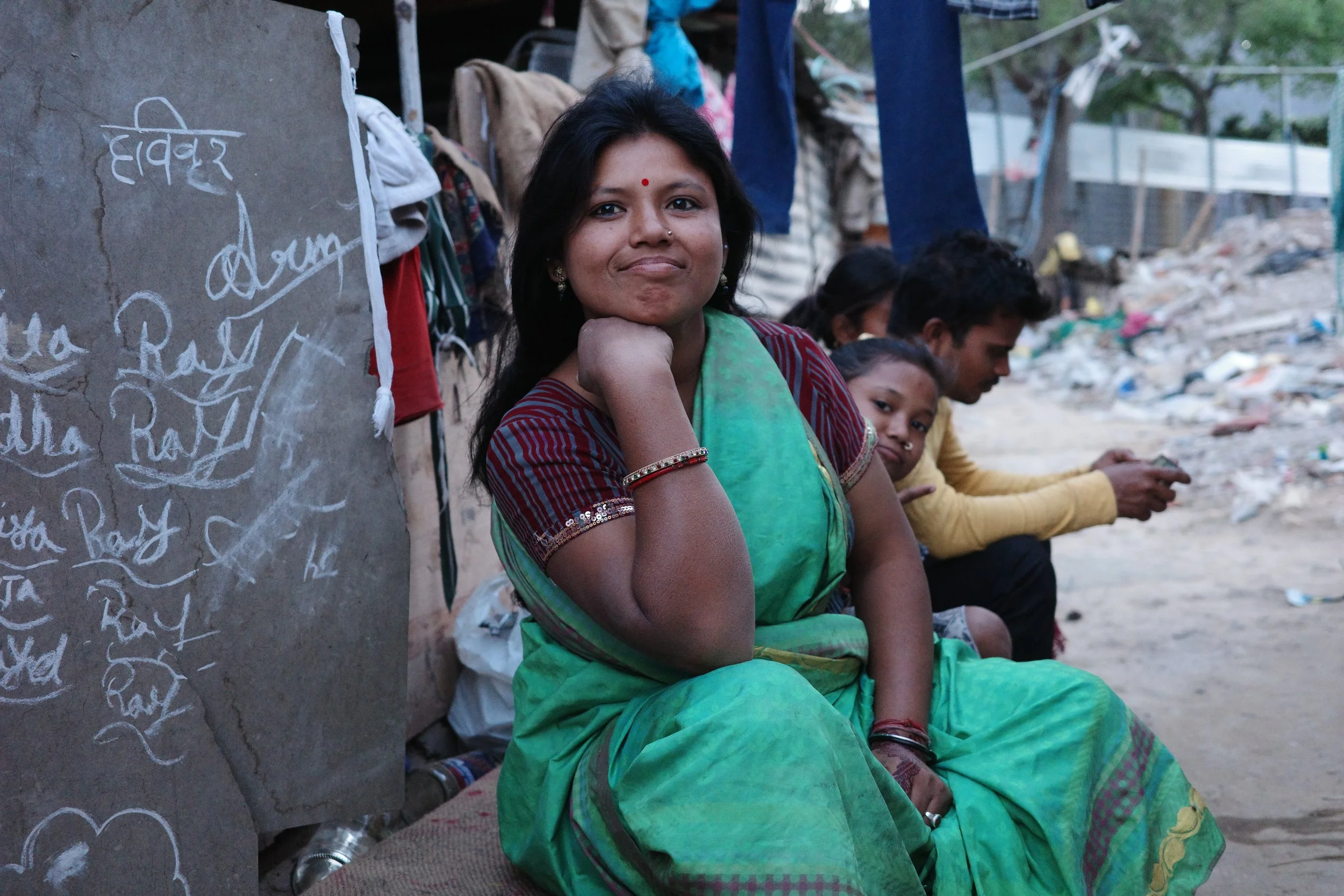
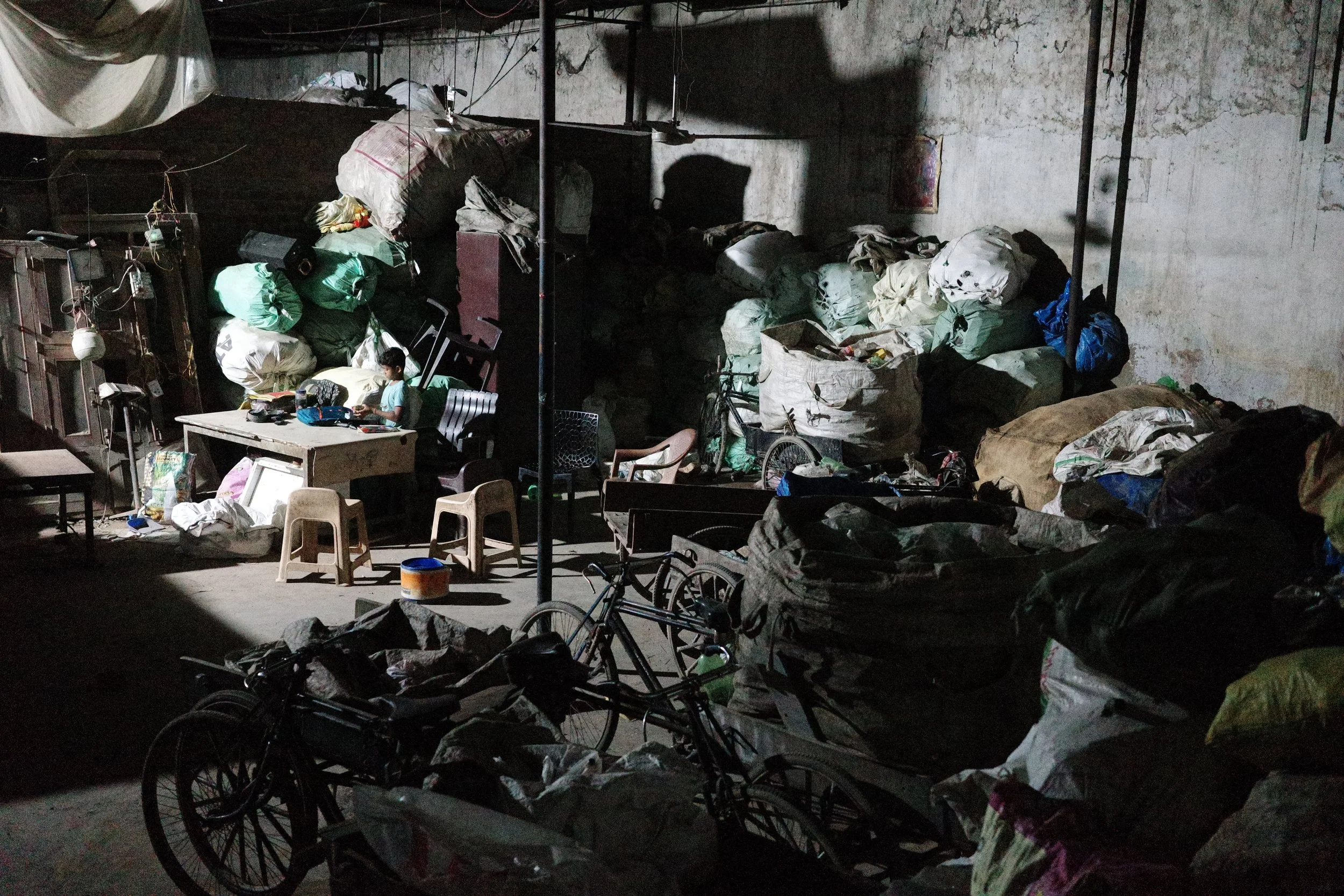
Like many waste workers, when Riya moved to the city she came in search of opportunity and a brighter future. In her village in the very northern point of West Bengal, her family has very little land, which is slowly being sold to pay for the dowry of her and her sisters. She has an aunt in Gurgaon, who was working as a domestic cook, and who encouraged her to come with the prospect of employment opportunity. Since being here, the reality for Riya has proven far more precarious.
There has been an added layer of challenge over the last year, due to the increasingly attacks on Bengali Muslim workers, driven by suspicion that they are undocumented migrants from Bangladesh.
In July, hundreds of waste pickers were stopped at their places of work and taken by Haryana state authorities to holding centres across the city. They were detained for several days while their identities were verified with authorities in West Bengal, despite having presented legitimate documentation. A wave of panic moved through the community and many workers returned to their villages in fear, echoing the COVID 19 exodus.
Mountains of garbage piled up across Gurgaon, as middle-class residents in apartment complexes complained about the smell. The indispensable role that Bengali Muslim labour plays in the smooth running of the city was rendered starkly visible.
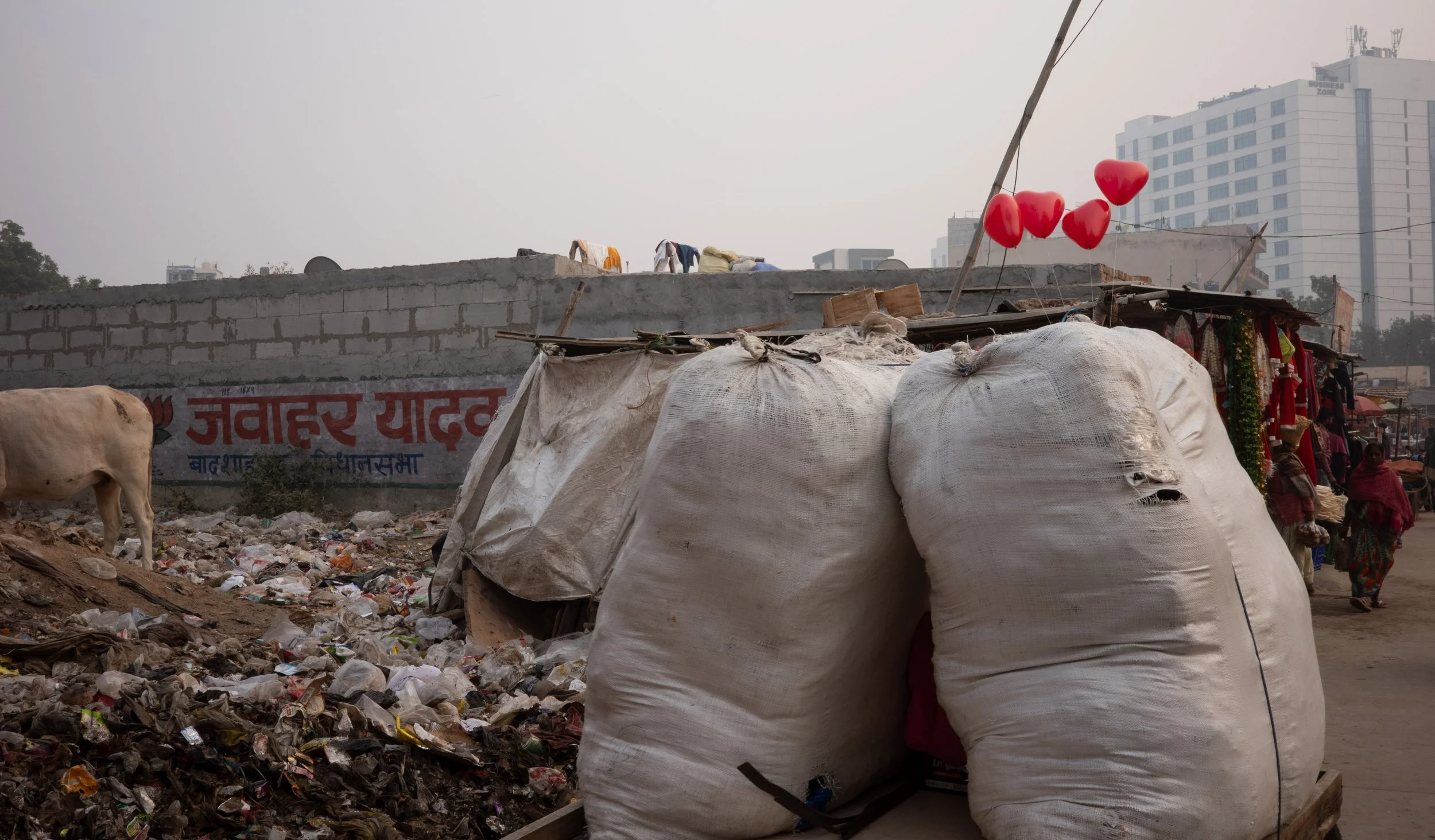
Across India, there have been efforts to organise and create unions to better advocate for waste worker rights. In cities like Pune, groups such as the Kagad Kach Patra Kashtakari Panchayat and its offshoot SWaCH Cooperative have secured a degree of recognition from municipal authorities, including identity cards and access to door-to-door collection work. But these efforts remain uneven. Much of the sector is still informal, with workers operating without contracts, protections or stable incomes.
In Gurgaon this is particularly visible. A highly mobile and fragmented workforce, combined with the city's heavily privatised structure, makes sustained collective organising difficult. Work shaped by caste and stigma limits mobility and bargaining power, while increasing privatisation of waste management has in some cases displaced informal workers rather than incorporating them.
The experiences of Bengali Muslim waste workers in Gurgaon are not an isolated case. Across India, 90% of workers are employed in the informal economy - as street vendors, domestic workers small-scale traders. They are the backbone of the country's growth story, and yet they are very rarely factored into the planing of cities and the vision of the future.